

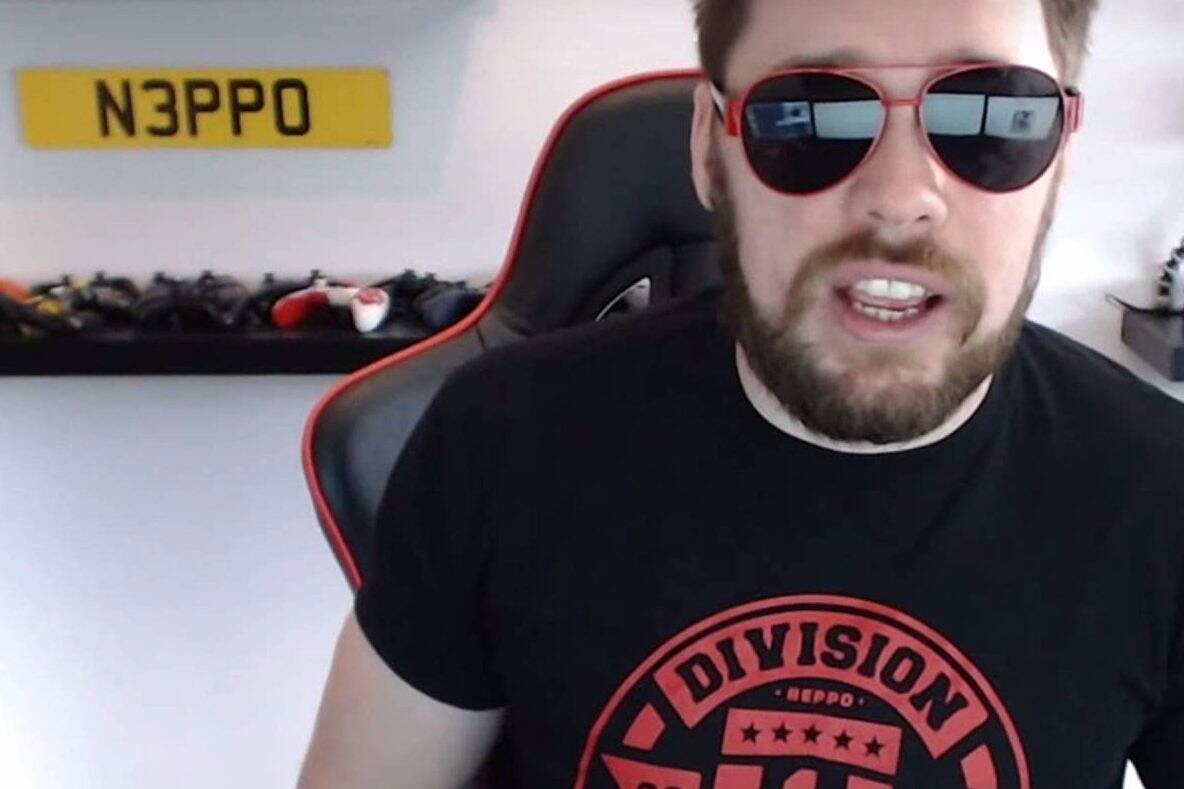
A British YouTuber has been charged with promoting illegal gambling, bringing fresh attention to how influencers advertise gambling-related content online. The case has sparked discussions about the responsibilities of content creators, the role of regulators, and the legal boundaries surrounding gambling promotions in the UK.
As online personalities continue to shape consumer behavior, authorities are taking a closer look at whether influencers are following advertising and gambling laws. Here’s everything you need to know about the case, the allegations, and its wider implications.
Why Has the British YouTuber Been Charged?
According to authorities, the YouTuber is accused of promoting gambling services in a way that may have breached UK gambling regulations. While investigators continue to examine the evidence, the charges focus on whether the promotional content encouraged users to engage with gambling platforms that were not legally authorized or properly licensed.
The allegations do not automatically mean the individual is guilty. Like any criminal case, the charges will be tested through the legal process before a final decision is made by the courts.
The UK’s Approach to Gambling Promotion
The United Kingdom has some of the world’s strictest rules governing gambling advertising. Companies and individuals who promote gambling services must comply with regulations designed to protect consumers, particularly young people and vulnerable audiences.
Influencers and content creators are expected to ensure that any gambling-related promotions follow advertising standards and do not mislead viewers. Failing to meet these legal requirements can lead to investigations, financial penalties, or criminal charges.
As influencer marketing continues to grow, regulators are paying increasing attention to social media promotions across platforms such as YouTube, TikTok, Instagram, and Twitch.
Why This Case Is Receiving So Much Attention
The case has attracted widespread public interest because it highlights the growing influence of digital creators. Many YouTubers have audiences that include teenagers and young adults, making gambling-related promotions especially sensitive.
Critics argue that influencers have a responsibility to understand the products they advertise and the laws that govern those promotions. Supporters, however, believe creators deserve the same legal protections as anyone else and should not be judged before the courts reach a verdict.
The outcome of this case could influence how future gambling promotions are handled across social media.
How Gambling Laws Apply to Influencers
Being paid to promote a gambling platform carries legal responsibilities. Depending on the circumstances, content creators may be required to:
- Promote only licensed gambling operators.
- Clearly disclose paid partnerships.
- Avoid advertising that targets minors.
- Ensure promotional content is not misleading.
- Follow advertising and consumer protection regulations.
Ignoring these requirements can expose both the influencer and the gambling operator to regulatory action.
What Could Happen Next?
The legal process will determine whether the charges result in a conviction. If found guilty, penalties could include fines, restrictions on future promotional activities, or other sanctions allowed under UK law.
Regardless of the final outcome, the investigation serves as a reminder that online promotions are increasingly being scrutinized by regulators.
What This Means for the Creator Economy
Influencer marketing has become a major advertising channel for brands across many industries. However, sectors such as gambling, financial services, health products, and cryptocurrency are subject to stricter legal oversight.
Content creators can reduce legal risks by:
- Understanding local advertising laws.
- Working only with reputable, licensed businesses.
- Clearly labeling sponsored content.
- Seeking legal advice before promoting regulated products.
Following these practices not only protects creators but also helps maintain trust with their audiences.
Final Thoughts
The British YouTuber charged with promoting gambling is at the center of a case that reflects the changing relationship between social media, advertising, and regulation. While the legal proceedings are still ongoing, the situation highlights the importance of transparency, responsible marketing, and compliance with gambling laws.
As governments continue adapting regulations for the digital age, influencers and brands alike will likely face greater accountability for the content they publish. Whether this case leads to broader policy changes remains to be seen, but it is already serving as an important reminder that online promotions are no longer beyond the reach of regulators.
Frequently Asked Questions
Why was the British YouTuber charged with promoting gambling?
The YouTuber has been charged over allegations of promoting gambling services in a way that may have breached UK gambling laws. The case is currently going through the legal process, and the charges have not yet been proven in court.
Is promoting gambling illegal in the UK?
Not necessarily. Gambling promotions are legal if they comply with UK laws and advertising regulations. Promoting unlicensed gambling operators or misleading consumers can result in legal action.
Can YouTubers advertise gambling websites?
Yes, but they must follow applicable advertising and gambling regulations. This may include promoting only licensed operators, clearly disclosing sponsored content, and avoiding content that targets minors.
What penalties could someone face for illegal gambling promotion?
Depending on the outcome of a legal case, penalties may include fines, restrictions on promotional activities, or other sanctions available under UK law.
Why is this case important?
The case highlights the growing scrutiny of influencer marketing and the responsibilities of content creators when promoting regulated industries such as gambling.
Will this case affect other influencers?
While each case depends on its own facts, the investigation serves as a reminder that regulators are paying closer attention to online promotions. Influencers should ensure they understand and comply with advertising and gambling laws before accepting sponsorships.