

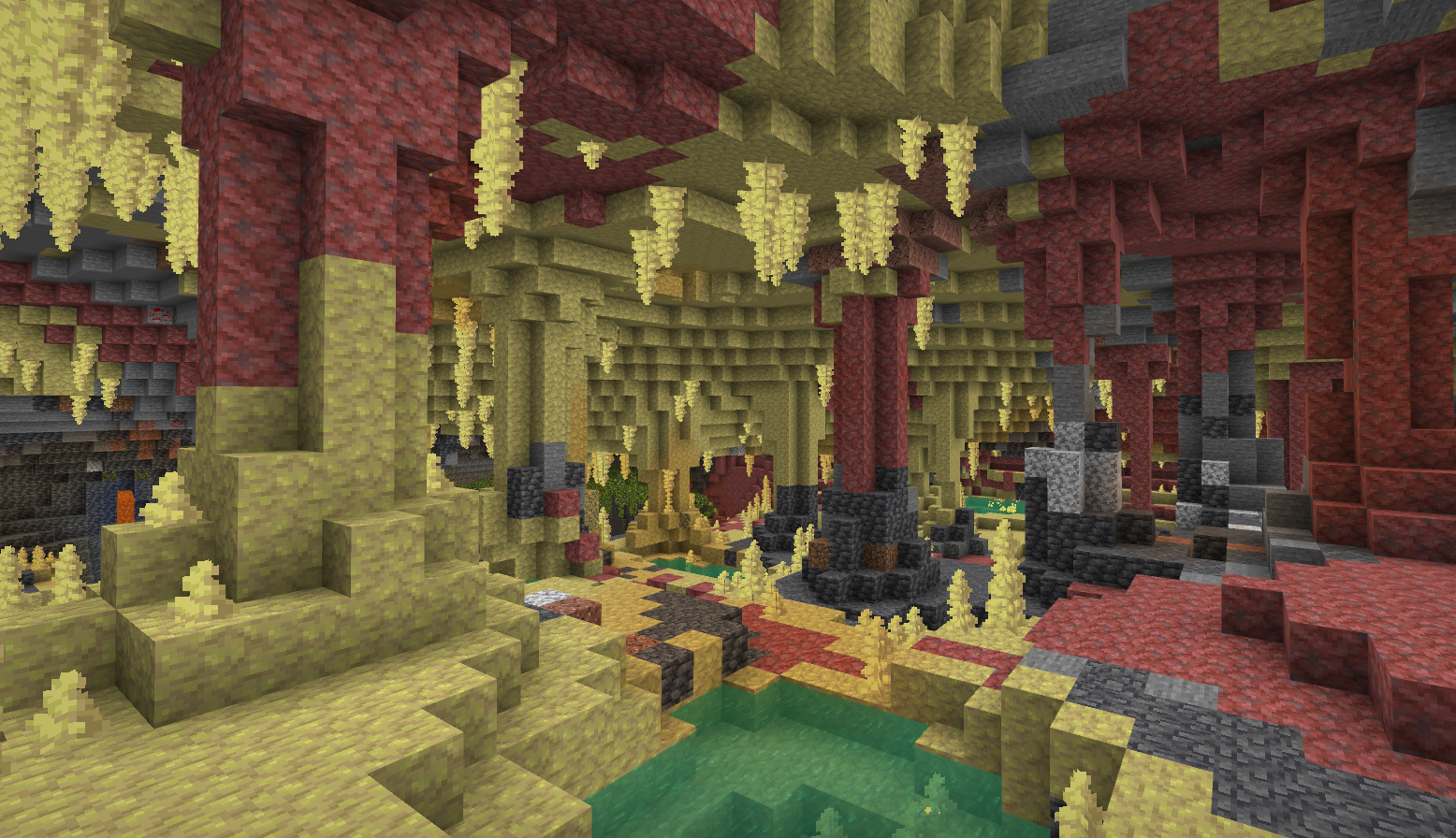
Minecraft Biomes Explained
Minecraft biomes are different environmental regions that determine terrain, weather, vegetation, structures, mobs, and available resources. Understanding biomes helps players find valuable materials faster, build in suitable locations, survive difficult environments, and complete progression goals such as locating villages, strongholds, rare mobs, or specific wood types. Whether you’re playing Survival, Hardcore, or Creative, learning biome mechanics is one of the most valuable Minecraft skills.
Introduction
Minecraft is a game about exploration. Every new world generates a unique landscape made up of dozens of different biomes, each with its own appearance, climate, resources, wildlife, and challenges.
Some biomes are perfect for beginners because they provide abundant food and wood. Others, like deserts or frozen peaks, require preparation before you can survive comfortably. Some are incredibly rare and contain exclusive blocks or mobs that cannot be found anywhere else.
Knowing where to settle, what to collect, and which biome to explore next can dramatically improve your survival experience.
This Minecraft biomes guide explains every major biome category, how biome generation works, what resources you should prioritize, and how experienced players use biome knowledge to speed up progression.
 Looking for the perfect world? Explore our Best Minecraft Seeds to find amazing spawn locations for every playstyle.
Why This Matters
Choosing the right biome affects almost everything you do.
Benefits include:
- Faster early-game progression
- Easier access to food
- Better building locations
- More efficient farming
- Rare mob collection
- Easier enchantment progression
- Faster exploration
- Improved resource gathering
For example:
A player spawning in a Plains biome can quickly gather wood, food, and animals.
A player spawning in a Desert may struggle to find wood but gains easy access to villages and temples.
Understanding these differences saves hours of gameplay.
What You Need to Know Before Starting
Before exploring biomes, understand these important Minecraft terms.
| Term | Meaning |
|---|---|
| Biome | A region with unique terrain, weather, vegetation, and mobs |
| Seed | The code that generates your world |
| Chunk | A 16×16 section of the world |
| Structure | Naturally generated buildings like villages or temples |
| Spawn | The location where your world begins |
| Climate | Controls temperature, rainfall, and snow generation |
If you’re new to the game, read our Minecraft Survival Guide before starting your first adventure.
Biome Categories
Minecraft biomes generally fall into:
- Forest
- Plains
- Mountains
- Snow
- Desert
- Jungle
- Swamp
- Ocean
- River
- Cave
- Nether
- End
Each serves a different purpose.
Step-by-Step Guide
Step 1: Understand Biome Generation
Minecraft uses world generation algorithms based on your world seed.
Nearby biomes usually share similar climates.
For example:
- Plains often connect to forests.
- Deserts connect to savannas.
- Snow biomes appear near frozen rivers.
Learning these patterns helps predict nearby resources.
Step 2: Start in Beginner-Friendly Biomes
These biomes offer the easiest start.
| Biome | Difficulty | Why It Is Good |
|---|---|---|
| Plains | Easy | Food, villages, animals |
| Forest | Easy | Wood, mushrooms, wildlife |
| Meadow | Easy | Beautiful terrain, sheep |
| Birch Forest | Easy | Plenty of wood |
These provide everything needed for the first Minecraft day.
Step 3: Learn Every Major Overworld Biome
Plains
Best for:
- Starter houses
- Animal farms
- Villages
- Wheat farming
Resources:
- Oak trees
- Horses
- Cows
- Sheep
- Villages
Forest
Provides:
- Large wood supply
- Mushrooms
- Wolves
- Flowers
Excellent for early survival.
Dark Forest
Advantages:
- Dark Oak
- Mushrooms
- Woodland Mansion (rare)
Disadvantages:
- Hostile mobs spawn frequently.
⚠ Warning: Avoid building your first base inside a Dark Forest because low light increases mob spawns.
Taiga
Contains:
- Spruce trees
- Sweet berries
- Wolves
- Foxes
Spruce wood is popular for medieval builds.
Old Growth Taiga
Features:
- Giant spruce trees
- Mossy cobblestone
- Podzol
Ideal for massive wood farms.
Jungle
Contains:
- Bamboo
- Cocoa beans
- Ocelots
- Parrots
- Jungle Temples
Dense vegetation makes navigation difficult.
Sparse Jungle
Offers easier navigation while still providing jungle-exclusive resources.
Bamboo Jungle
Best place to collect:
- Bamboo
- Pandas
Essential for scaffolding production.
Swamp
Important because it contains:
- Slimes
- Blue orchids
- Frogs
- Witch Huts
Swamps become extremely valuable during the mid-game.
Mangrove Swamp
Introduced newer building materials including:
- Mangrove wood
- Mud blocks
- Frogs
Excellent for decorative builders.
Desert
Resources include:
- Desert Temples
- Villages
- Camels
- Sand
Food can be limited.
Savanna
Offers:
- Acacia wood
- Horses
- Villages
Warm climate with open terrain.
Meadow
One of the most beautiful Minecraft biomes.
Contains:
- Flowers
- Sheep
- Donkeys
Excellent for peaceful building projects.
Cherry Grove
One of Minecraft’s newest and most popular biomes.
Features:
- Cherry blossom trees
- Pink leaves
- Pigs
- Bees
Perfect for aesthetic builds.
Windswept Hills
Ideal for:
- Coal
- Iron
- Scenic mountain bases
Terrain is difficult for beginners.
Snowy Plains
Contains:
- Polar bears
- Rabbits
- Snow
Requires extra preparation due to freezing conditions.
Frozen Peaks
Excellent source of:
- Emerald ore
- Goats
Difficult terrain but rewarding.
Ocean Biomes
Ocean types include:
- Warm Ocean
- Lukewarm Ocean
- Cold Ocean
- Frozen Ocean
- Deep Ocean
Ocean exploration provides:
- Shipwrecks
- Ocean monuments
- Buried treasure
River
Useful for:
- Fishing
- Transportation
- Sugar cane farms
Step 4: Explore Underground Biomes
Minecraft caves now generate their own biome types.
Lush Caves
Resources:
- Glow berries
- Clay
- Moss
- Axolotls
Excellent for decoration.
Dripstone Caves
Contains:
- Pointed dripstone
- Copper
Useful for advanced farms.
Deep Dark
One of Minecraft’s most dangerous biomes.
Contains:
- Ancient Cities
- Sculk blocks
- Rare loot
⚠ Warning: Avoid making loud noises. Activating a Sculk Shrieker can summon the Warden.
Step 5: Learn Nether Biomes
| Nether Biome | Main Resources |
|---|---|
| Nether Wastes | Quartz, Gold |
| Crimson Forest | Hoglins |
| Warped Forest | Endermen |
| Soul Sand Valley | Soul Sand |
| Basalt Deltas | Basalt, Blackstone |
Each biome requires different survival strategies.
Before entering another dimension, prepare with our Minecraft Nether Survival Guide.
Step 6: Understand The End
The End includes:
- Main island
- End Highlands
- End Midlands
- Small End Islands
- End Barrens
This is where players find:
- End Cities
- Elytra
- Shulker Boxes
Beginner Tips
Upgrade your gear faster with our complete Minecraft Enchanting Explained guide.
- Build your first base near a Plains biome.
- Keep extra food before entering deserts.
- Carry a bed while exploring.
- Mark important locations.
- Collect every wood type.
- Bring boats for rivers and oceans.
- Gather berries in Taiga biomes.
💡 Pro Tip: Villages located near multiple biome borders provide easy access to a wider variety of resources without long travel distances.
Advanced Tips
Experienced players optimize exploration.
Once you’ve settled into a biome, build efficient resource generators with our Best Minecraft Farms guide.
1. Use Biome Borders
Biome edges often generate multiple resources close together.
Example:
A Plains biome beside a Forest and River offers wood, crops, fish, and animals within minutes.
2. Build Regional Farms
Different biomes improve certain farms.
Examples:
- Swamp → Slime farm
- Desert → Sand collection
- Jungle → Bamboo farm
- Ocean → Guardian farm
3. Collect Every Wood Type
Different woods improve build variety.
Available woods include:
- Oak
- Birch
- Spruce
- Jungle
- Dark Oak
- Mangrove
- Acacia
- Cherry
- Pale Oak (if available in your game version)
4. Use Chunkbase Carefully
Many experienced players use seed viewers after completing their first survival playthrough to locate rare biomes more efficiently. If you prefer discovering everything naturally, avoid external tools during your initial exploration.
Common Mistakes
Ignoring Food Sources
Many players travel too far before securing reliable food.
Building in Dangerous Biomes
Dark Forests and Deep Dark biomes create unnecessary risks.
Planning to explore underground? Learn How to Find Ancient Cities safely before entering the Deep Dark.
Skipping Village Exploration
Villages provide beds, crops, iron, and trading opportunities.
Forgetting Climate Differences
Snow slows visibility while deserts lack trees.
Plan accordingly.
Exploring Without Beds
Dying thousands of blocks from spawn wastes valuable time.
Best Settings / Strategies / Builds
Best Starting Biomes
| Rank | Biome | Overall Rating |
|---|---|---|
| 1 | Plains | ⭐⭐⭐⭐⭐ |
| 2 | Forest | ⭐⭐⭐⭐⭐ |
| 3 | Meadow | ⭐⭐⭐⭐⭐ |
| 4 | Taiga | ⭐⭐⭐⭐☆ |
| 5 | Savanna | ⭐⭐⭐⭐☆ |
Best Building Biomes
- Cherry Grove
- Meadow
- Plains
- Mangrove Swamp
- Snowy Slopes
Ready to create an impressive base? Check out our Minecraft Building Tips for inspiration and practical techniques.
Best Resource Biomes
| Resource | Best Biome |
|---|---|
| Bamboo | Bamboo Jungle |
| Emeralds | Frozen Peaks |
| Slimes | Swamp |
| Ancient City Loot | Deep Dark |
| Sand | Desert |
| Glow Berries | Lush Caves |
| Dark Oak | Dark Forest |
| Mangrove Wood | Mangrove Swamp |
Need better equipment? Follow our How to Find Diamonds Fast guide to mine efficiently.
Frequently Asked Questions
Discover every creature you’ll encounter with our Complete Minecraft Mob Guide.
What is the best Minecraft biome?
For most players, Plains is the best overall biome because it combines food, villages, animals, flat terrain, and easy building conditions.
What is the rarest biome?
Depending on the game version, Mushroom Fields remains one of the rarest naturally generated biomes.
Which biome has the most resources?
Forests, Plains, and Jungles collectively offer the widest variety of renewable resources for early and mid-game progression.
Which biome is safest?
Plains are generally considered the safest due to excellent visibility and abundant passive mobs.
Villages become even more valuable when you understand Minecraft Villager Trading Guide strategies.
Can villages spawn in every biome?
No. Villages generate only in specific biome types such as Plains, Desert, Savanna, Snowy Plains, and Taiga.
Which biome is best for building?
Cherry Grove, Meadow, and Plains are favorites because of their attractive scenery, open terrain, and easy expansion.
What is the Deep Dark biome?
The Deep Dark is an underground biome featuring Ancient Cities, Sculk blocks, and the powerful Warden. It rewards careful exploration with rare loot but is one of the game’s most dangerous areas.
Final Verdict
Minecraft biomes are much more than visual variety—they shape your entire adventure. From the welcoming Plains and Forests to the perilous Deep Dark and resource-rich Nether, every biome presents unique opportunities and challenges.
New players should prioritize safe, resource-rich environments to establish a solid foundation, while experienced players can strategically exploit biome-specific mechanics for efficient farms, rare materials, and impressive builds. By learning biome generation patterns, understanding exclusive resources, and preparing for each environment, you’ll spend less time searching and more time creating memorable worlds.
Whether your goal is defeating the Ender Dragon, constructing a sprawling megabase, or collecting every block and mob, mastering Minecraft’s biomes is one of the most valuable skills you can develop.