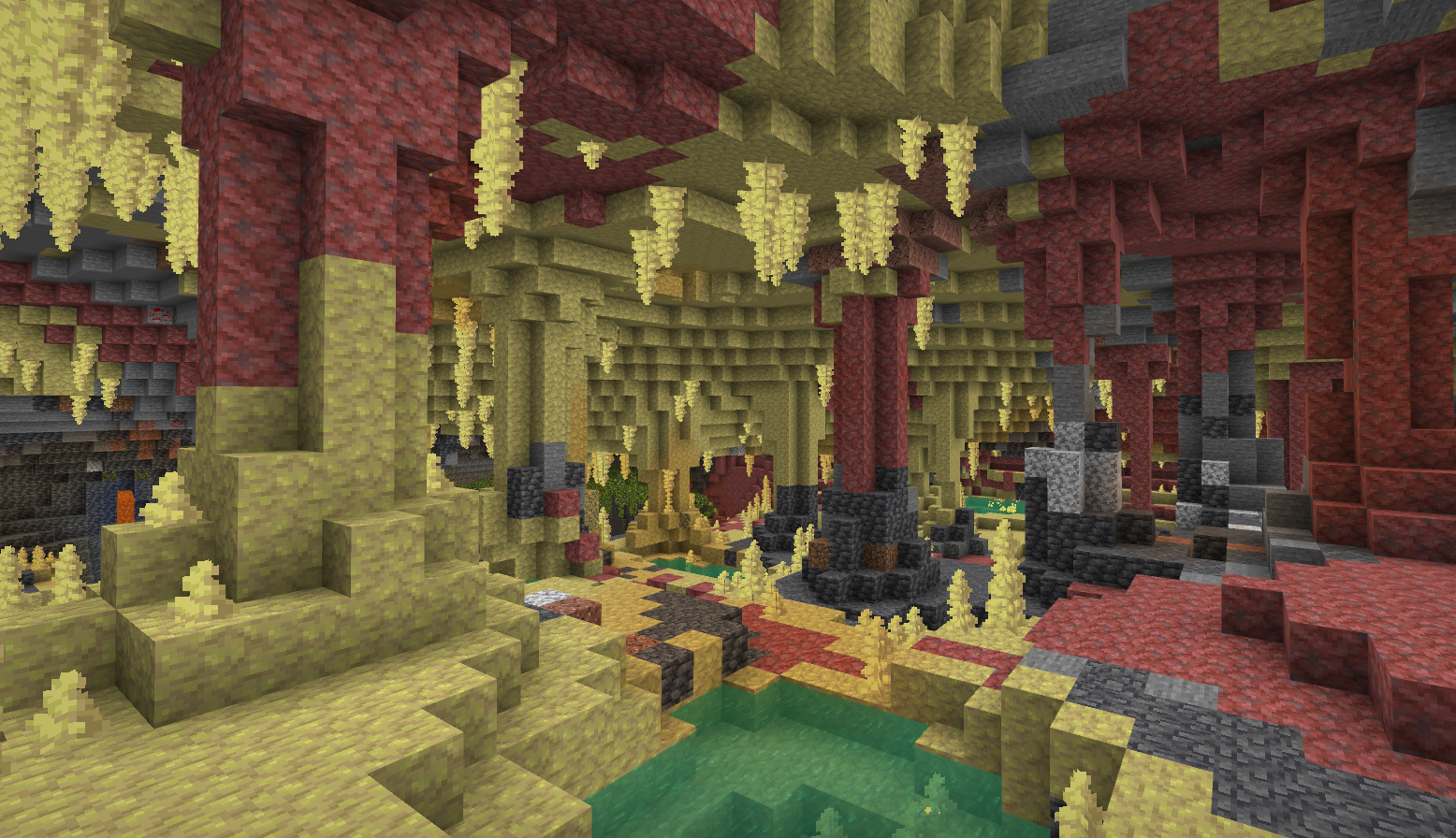

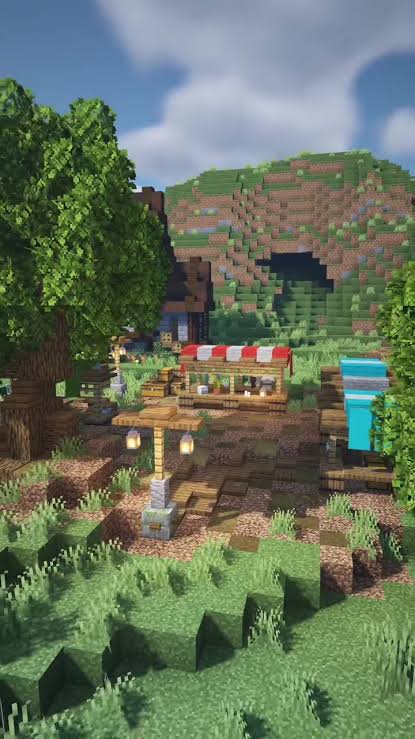
Minecraft is easy to learn but surprisingly deep. The best Minecraft tips and tricks help you gather resources faster, survive longer, build more efficiently, and explore safely without wasting time or valuable items. Whether you’re starting your first Survival world or looking to improve your building and combat skills, these 25 practical tips will make your gameplay smoother, smarter, and much more enjoyable.
Introduction
Few games offer as much freedom as Minecraft. Every new world is different, and every player develops their own style. Some players become master builders, others focus on redstone engineering, while many enjoy exploring caves, villages, and dangerous dimensions.
After spending hundreds of hours in Survival and Hardcore worlds, one lesson becomes clear: success isn’t about luck. It’s about making smarter decisions from the beginning.
Many beginners lose diamonds because they mine carelessly. Others struggle with food, get lost thousands of blocks from home, or accidentally destroy valuable items in lava. These problems are common—and almost all of them can be prevented.
This guide brings together 25 practical Minecraft tips and tricks that experienced players rely on every day. They aren’t complicated exploits or glitches. Instead, they’re habits that save time, reduce risk, and help you enjoy the game more.
Whether you’re playing Java Edition or Bedrock Edition, these strategies will improve nearly every Survival adventure.
Why This Matters
Minecraft rewards knowledge more than almost any other sandbox game.
Learning a few simple techniques can help you:
- Reach diamond-level resources much faster.
- Avoid losing valuable gear.
- Build safer, more efficient bases.
- Explore confidently without getting lost.
- Defeat hostile mobs with less risk.
- Progress through the Nether and the End more smoothly.
- Spend less time recovering from mistakes.
Small improvements add up quickly. For example, remembering to carry a water bucket can prevent fall damage, extinguish fire, stop lava accidents, and even create safe paths through dangerous terrain.
One simple item can completely change your survival rate.
What You Need to Know Before Starting
Before using these Minecraft tips, understand a few basic concepts.
Survival vs. Creative Mode
Most tips in this guide are designed for Survival Mode, where resources, hunger, and hostile mobs are important.
Creative Mode removes these limitations, making many survival strategies unnecessary.
Java vs. Bedrock Edition
Most gameplay mechanics are identical, but there are some differences:
| Feature | Java Edition | Bedrock Edition |
|---|---|---|
| Combat mechanics | More advanced cooldown system | Simpler combat |
| Redstone | More consistent | Slightly different behavior |
| Mods | Extensive support | Limited |
| Cross-platform | PC only | Console, mobile, Windows |
Unless noted otherwise, every tip works well in both editions.
Always Keep Backups
If you’re starting an ambitious project or entering the Nether for the first time, make regular world backups whenever possible. Losing an entire world because of corruption or accidental deletion is far more frustrating than losing a few diamonds.
Step-by-Step Guide: 25 Minecraft Tips and Tricks
1. Build a Shelter Before Nightfall
The first Minecraft day lasts only about 10 minutes.
Many new players spend too much time exploring and not enough time preparing.
Instead, focus on:
- Punch trees immediately.
- Craft wooden tools.
- Gather stone.
- Upgrade to stone tools.
- Collect food.
- Build a simple shelter before sunset.
Your first house doesn’t need to be beautiful. Dirt, wood, or cobblestone walls are enough to keep hostile mobs outside.
Example:
A small 5×5 wooden cabin with a bed, crafting table, furnace, and chest is much more valuable than a large unfinished base.
⚠️ Warning: Do not spend your first night outside unless you’re intentionally looking for a challenge. Zombies, skeletons, creepers, and spiders can quickly overwhelm new players.
2. Never Ignore Food
Running out of food causes hunger, which stops health regeneration.
Good early-game food includes:
- Cooked steak
- Cooked porkchops
- Cooked mutton
- Baked potatoes
- Bread
Avoid relying on raw meat because it restores less hunger.
As soon as possible, create a small wheat farm or animal pen.
Pro Tip
Always cook food before long mining trips. Better saturation means fewer interruptions while exploring.
3. Upgrade to Stone Tools Immediately
Wooden tools are slow and wear out quickly.
Stone tools require only:
- Wood
- Cobblestone
- Crafting table
A stone pickaxe mines faster and unlocks iron ore, making it one of the most important upgrades during your first day.
Upgrade order:
- Stone Pickaxe
- Stone Axe
- Stone Sword
- Stone Shovel
The axe also doubles as an effective early-game weapon.
4. Carry a Water Bucket Everywhere
Many experienced players never leave home without one.
A single water bucket can:
- Prevent fall damage
- Extinguish fire
- Stop lava burns
- Create temporary waterfalls
- Push mobs away
- Help climb cliffs
- Turn lava into obsidian
Learning a “water bucket clutch” (placing water just before landing) can save your life after accidental falls.
Pro Tip
Practice water bucket placement in Creative Mode before attempting it in Hardcore worlds.
5. Light Up Every Area
Hostile mobs spawn in dark places.
One of the easiest ways to stay safe is placing torches frequently.
Light:
- Your base
- Mining tunnels
- Villages
- Animal farms
- Cave entrances
Keeping everything illuminated also reduces surprise creeper attacks.
Example:
Instead of placing torches randomly, place one every few blocks in long tunnels to maintain consistent visibility.
6. Mine Smart Instead of Digging Randomly
New players often dig aimlessly.
A better approach is branch mining.
Basic method:
- Dig down safely using stairs.
- Create one main tunnel.
- Add side tunnels every few blocks.
- Mine valuable ores while exposing as many blocks as possible.
This technique dramatically increases your chances of finding iron, coal, redstone, gold, and diamonds.
⚠️ Warning: Never dig straight down. You could fall into lava, caves, or deep drops.
Likewise, avoid digging straight upward because gravel, sand, or lava can fall directly onto you.
7. Bring Extra Pickaxes
Mining trips almost always last longer than expected.
Running out of tools underground forces you to return home early.
A good mining inventory includes:
- Two pickaxes
- One shovel
- One sword
- Torches
- Food
- Water bucket
- Crafting table
- Furnace
Having spare equipment saves significant travel time.
8. Sleep Whenever Possible
Beds do more than skip nighttime.
Sleeping:
- Prevents hostile nighttime exploration
- Sets your respawn point
- Makes long journeys safer
- Reduces unnecessary combat
Always place a bed before exploring distant areas.
If you die, you’ll respawn much closer to your gear.
Pro Tip
Carry a bed during long expeditions. Resetting your spawn near major exploration areas can save hours of travel.
9. Organize Storage Early
Many players throw everything into one chest.
Eventually, finding resources becomes frustrating.
Instead, separate items into categories.
Example storage layout:
| Chest | Contents |
|---|---|
| Ores | Iron, gold, diamonds, coal |
| Building Blocks | Stone, wood, glass |
| Food | Crops, cooked food, seeds |
| Mob Drops | Bones, string, gunpowder |
| Tools | Pickaxes, swords, armor |
Organized storage speeds up every future project.
10. Don’t Rush Into the Nether
The Nether offers incredible resources—but also some of Minecraft’s deadliest dangers.
Before entering, prepare:
- Full iron armor (preferably diamond)
- Shield
- Plenty of food
- Bow
- Extra blocks
- Flint and steel
- Gold armor piece (to avoid provoking Piglins)
Build a protected portal room so hostile mobs cannot attack immediately after entering.
⚠️ Warning: Always write down your Nether portal coordinates. Becoming lost in the Nether is much easier than in the Overworld because terrain is harder to navigate.
Step-by-Step Guide (Continued)
11. Learn Basic Enchanting Early
Enchantments can dramatically improve your tools, armor, and weapons. Even a few basic enchantments make everyday tasks faster and safer.
 Minecraft Enchantments Explained
To start enchanting, you’ll need:
- An enchanting table
- Bookshelves (up to 15 for maximum-level enchantments)
- Lapis Lazuli
- Experience (XP) levels
Some of the most valuable enchantments include:
| Enchantment | Best For | Benefit |
|---|---|---|
| Efficiency | Pickaxe, Axe | Mines faster |
| Unbreaking | Most tools | Lasts much longer |
| Fortune | Pickaxe | Increases ore drops |
| Silk Touch | Pickaxe | Collects blocks intact |
| Protection | Armor | Reduces damage |
| Sharpness | Sword | Increases attack damage |
| Mending | Most gear | Repairs items using XP |
Pro Tip
Save your diamonds until you can enchant them. An enchanted diamond pickaxe lasts significantly longer than an unenchanted one.
12. Always Carry a Shield
Many new players underestimate shields.
A shield blocks:
- Skeleton arrows
- Creeper explosions (partially)
- Melee attacks
- Projectiles from many hostile mobs
Crafting one only requires iron and wood, making it one of the highest-value defensive items in the game.
Example:
When entering a cave, keep your shield equipped while rounding corners. A surprise skeleton becomes far less dangerous.
⚠️ Warning: Don’t lower your shield too early during combat. Wait until the enemy has finished attacking before striking back.
13. Start Farming as Soon as Possible
Food shortages disappear once you establish reliable farms.
Begin with simple crops:
- Wheat
- Potatoes
- Carrots
- Beetroot
Then expand into animal farming:
- Cows for leather and beef
- Chickens for feathers and food
- Sheep for wool
- Pigs for pork
Even a small farm provides a steady food supply and reduces the need for constant hunting.
Pro Tip
Use fences instead of walls for animal pens. They’re cheaper and allow you to see inside without opening the enclosure.
14. Use Coordinates Instead of Guesswork
One of the most frustrating mistakes in Minecraft is getting lost.
Learning to use coordinates makes navigation much easier.
Record the coordinates of important locations, such as:
- Your main base
- Villages
- Strongholds
- Ancient Cities
- Nether portals
- Valuable mining locations
Keeping a simple notebook—or even signs inside your base—can save hours of searching.
Example:
Write your home coordinates near your portal before exploring thousands of blocks away.
15. Don’t Waste Diamonds
Diamonds are valuable, especially during the early and mid-game.
Instead of crafting every diamond item immediately, prioritize essentials.
How to Find Diamonds in Minecraft
Recommended order:
- Diamond Pickaxe
- Enchanting Table
- Diamond Armor
- Diamond Sword
- Diamond Axe
- Diamond Shovel
Why the pickaxe first?
It lets you mine obsidian, opening access to enchanting and the Nether, which accelerate overall progression.
16. Explore Villages Whenever You Find One
Villages are among the best early-game discoveries.
Minecraft Villager Trading Guide
Benefits include:
- Beds
- Food
- Crop farms
- Chests with useful loot
- Iron Golems for protection
- Villager trading
Trading eventually becomes one of the most reliable ways to obtain enchanted books, diamond gear, and rare resources.
Pro Tip
Protect villagers from zombies by lighting the village and repairing damaged buildings. Healthy villages become valuable long-term trading hubs.
17. Master Inventory Management
A full inventory slows every adventure.
Carry only what you actually need.
Recommended exploration loadout:
- Sword
- Pickaxe
- Water bucket
- Food
- Torches
- Shield
- Crafting table
- A stack of blocks
- Bed
- Spare pickaxe
Leave decorative blocks and unnecessary tools at home.
Less clutter means more room for valuable loot.
18. Build Safe Staircases Instead of Vertical Shafts
Straight ladders and vertical drops are fast—but risky.
A staircase offers several advantages:
- Safer movement
- Easier transportation
- Better lighting
- Reduced fall damage
- Easier escape from mobs
When mining deep underground, build wide staircases instead of jumping down narrow holes.
19. Learn Which Mobs to Prioritize
Not every hostile mob should be treated the same.
| Mob | Threat Level | Strategy |
|---|---|---|
| Zombie | Low | Keep distance if in groups |
| Skeleton | High | Block arrows with shield |
| Creeper | Very High | Hit, step back, repeat |
| Spider | Medium | Attack in open areas |
| Enderman | High | Avoid eye contact unless prepared |
| Witch | High | Fight quickly with ranged weapons |
Knowing enemy behavior helps conserve armor durability, food, and healing items.
⚠️ Warning: Never attack multiple Creepers in tight caves. One explosion can trigger another and destroy valuable ore.
20. Prepare Before Fighting the Ender Dragon
The End isn’t a place to explore unprepared.
How to Defeat the Ender Dragon
Bring:
- Diamond or Netherite armor
- Bow and plenty of arrows
- Slow Falling potions
- Water bucket
- Ender Pearls
- Food
- Building blocks
- Extra tools
Destroy End Crystals before focusing on the dragon itself.
Many first-time players lose because they rush directly into combat.
Pro Tip
Practice crystal destruction from a distance with a bow before climbing towers. This reduces unnecessary damage.
Beginner Tips
If you’re completely new to Minecraft, focus on mastering the basics before chasing rare resources.
1. Stay Near Spawn Initially
There’s no need to travel thousands of blocks on your first day.
Build a reliable base first.
2. Craft Multiple Chests
Storage problems appear much sooner than most players expect.
3. Don’t Fight Every Mob
Avoid unnecessary combat when resources are limited.
4. Gather More Wood Than You Think You’ll Need
Wood is required for tools, fuel, crafting tables, chests, fences, doors, and countless future builds.
5. Learn Basic Crafting Recipes
Knowing common recipes from memory speeds up gameplay considerably.
Advanced Tips
Experienced players can improve efficiency with more specialized strategies.
Build an XP Farm
Reliable XP sources make enchanting and repairing gear much easier.
Best Minecraft XP Farms Ranked
Popular options include:
- Mob grinders
- Enderman farms
- Guardian farms
- Gold farms
Automate Resource Collection
Redstone-powered farms reduce repetitive work.
How to Build an Automatic Minecraft Farm
Examples include:
- Automatic sugar cane farms
- Bamboo farms
- Crop harvesters
- Item sorting systems
Optimize Beacon Effects
After defeating the Wither, beacons provide powerful buffs like:
- Haste II for mining
- Speed
- Resistance
- Strength
A beacon dramatically improves large-scale mining and construction projects.
Use Nether Travel
Because one block traveled in the Nether equals eight blocks in the Overworld, experienced players build Nether highways for rapid transportation.
Common Mistakes to Avoid
Even veteran players occasionally make these errors.
Digging Straight Down
This classic mistake can lead directly into lava, deep caves, or dangerous drops.
Always descend using staircases or controlled shafts.
Carrying Every Valuable Item
Never explore with all your diamonds, emeralds, or rare resources.
Store important items safely before long adventures.
Ignoring Backup Equipment
Breaking your only pickaxe deep underground often forces an early return.
Carry replacements whenever possible.
Underestimating Lava
Lava destroys dropped items within seconds.
Before mining around lava lakes:
- Place torches
- Carry a water bucket
- Mine carefully around ore blocks
- Avoid standing directly above lava pools
Forgetting Respawn Points
Sleeping regularly prevents long walks after death.
Whenever you establish a temporary camp, place a bed before continuing your adventure.
21. Use the Right Tool for Every Block
Every block in Minecraft has a preferred tool. Using the correct one saves time and preserves durability.
| Block Type | Best Tool |
|---|---|
| Stone, Ore | Pickaxe |
| Wood, Logs | Axe |
| Dirt, Sand, Gravel | Shovel |
| Leaves, Wool | Shears (where applicable) |
| Crops | Hand or Hoe |
For example, breaking logs with your hand is much slower than using an axe, while mining stone without a pickaxe won’t drop the block.
Pro Tip
Carry at least one of each core tool during long exploration trips to avoid wasting durability on the wrong equipment.
22. Keep an Ender Chest for Valuable Items
Once you’ve reached the End and crafted an Ender Chest, use it to store your most valuable gear.
Good items to keep inside include:
- Diamonds
- Netherite Ingots
- Enchanted Books
- Spare Elytra
- Totems of Undying
- Rare Loot
Because every Ender Chest shares the same inventory, you’ll always have access to these items from another Ender Chest.
⚠️ Warning: Don’t forget that you’ll need a Silk Touch pickaxe to recover an Ender Chest without destroying it.
23. Learn Basic Redstone
Redstone may seem intimidating, but even simple circuits can improve your base.
Minecraft Redstone Guide for Beginners
Useful beginner projects include:
- Automatic doors
- Hidden entrances
- Piston storage rooms
- Automatic lighting
- Item sorters
- Simple farms
You don’t need to become a Redstone engineer overnight. Learning one new mechanic at a time is the best approach.
Example:
A basic automatic sugar cane farm requires only observers, pistons, and a hopper, yet it can provide paper for enchanting and trading with minimal effort.
24. Build with Future Expansion in Mind
Many players outgrow their first base within a few hours.
Complete Minecraft Potion Brewing Guide
Instead of squeezing everything into one small house, leave room for:
- Storage rooms
- Farms
- Animal pens
- Enchanting area
- Nether portal room
- Villager trading hall
- Auto farms
Planning ahead saves time and prevents constant rebuilding.
Pro Tip
Create separate buildings for different purposes rather than cramming everything into one structure. It’s easier to organize, expand, and navigate later.
25. Play at Your Own Pace
One of Minecraft’s greatest strengths is that there’s no single “correct” way to play.
Some players defeat the Ender Dragon within a few hours.
Others spend weeks building villages, designing castles, collecting rare blocks, or experimenting with Redstone.
Don’t feel pressured to rush through progression.
Take time to:
- Explore unique biomes.
- Build creative structures.
- Complete achievements.
- Experiment with farms.
- Try Hardcore or Challenge worlds.
- Play with friends on multiplayer servers.
The best Minecraft experience is the one you enjoy the most.
Best Settings, Strategies, and Builds
Recommended Video Settings
These settings provide a good balance between performance and visual quality.
| Setting | Recommendation |
|---|---|
| Render Distance | 12–16 Chunks (higher if your PC allows) |
| Simulation Distance | 8–12 Chunks |
| Brightness | Bright |
| Clouds | Off (optional for performance) |
| Particles | Decreased on lower-end systems |
| Entity Shadows | Off for extra FPS |
If you’re experiencing lag, lower render distance before changing other settings.
Early-Game Strategy
- Gather wood.
- Upgrade to stone tools.
- Build shelter.
- Find food.
- Mine iron.
- Craft a shield.
- Explore nearby caves.
- Build a farm.
- Collect diamonds.
- Prepare for the Nether.
Following this order creates a smooth progression without unnecessary risks.
Mid-Game Strategy
Focus on improving efficiency:
- Enchant your gear.
- Build automated farms.
- Trade with villagers.
- Collect Nether resources.
- Prepare for the End.
Late-Game Goals
Once you’ve defeated the Ender Dragon, consider:
- Building an Enderman XP farm.
- Collecting an Elytra.
- Defeating the Wither.
- Constructing a beacon.
- Creating large-scale automated farms.
- Completing every advancement or achievement.
Survival Progression Checklist
| Stage | Main Objective |
|---|---|
| Day 1 | Shelter, food, stone tools |
| Early Game | Iron armor, shield, farms |
| Mid Game | Diamonds, enchanting, Nether |
| Late Game | Ender Dragon, Elytra, automation |
| End Game | Mega builds, beacons, advanced Redstone |
Frequently Asked Questions
What is the best tip for beginners in Minecraft?
Build a shelter before the first night, gather food, and upgrade to stone tools as quickly as possible. Surviving the first day sets the foundation for everything that follows.
Should I mine straight down?
No. Digging straight down is one of the easiest ways to fall into lava or deep caves. Always use a staircase or another safe mining method.
What’s the fastest way to find diamonds?
Branch mining at the appropriate depth, exploring large cave systems carefully, and using Fortune-enchanted pickaxes after you’ve found diamonds are among the most efficient methods.
Is a shield better than a second weapon?
For most Survival players, yes. A shield dramatically reduces damage from skeletons and other hostile mobs, making it one of the most valuable defensive items in the game.
How do I stop getting lost?
Use coordinates, place landmarks, build maps, and write down the locations of your base, villages, and Nether portals.
What’s the best food in Minecraft?
Cooked steak and cooked porkchops offer excellent hunger restoration and saturation, making them ideal for long mining or exploration sessions.
Is it worth trading with villagers?
Absolutely. Villager trading is one of the best long-term resource systems in the game, offering enchanted books, diamond gear, tools, and valuable materials.
Final Verdict
Minecraft rewards curiosity, planning, and creativity more than almost any other game. While it’s possible to learn through trial and error, understanding a few proven strategies can dramatically improve your experience from the very first day.
The most important lesson isn’t simply how to survive—it’s how to build good habits. Carrying a water bucket, lighting caves properly, organizing your storage, enchanting your equipment, and preparing before major adventures will save countless hours and prevent many frustrating setbacks.
Whether you’re stepping into your first Survival world or returning after years away, these 25 Minecraft tips and tricks provide a solid foundation for becoming a more confident and efficient player. Master the basics first, keep experimenting, and remember that every world is an opportunity to create something uniquely your own.