

When you watch the evening news, a live sports event, or a breaking news broadcast, you’ve probably noticed the captions appearing on the screen almost instantly. While most viewers barely think about them, those captions are made possible by skilled professionals working behind the scenes.
A broadcast captioner plays an essential role in making television accessible to millions of people, including those who are deaf or hard of hearing. It’s a fast-paced career that combines exceptional listening skills, language expertise, and advanced technology to deliver accurate captions in real time.
 If you’re exploring careers in this field, you may also be interested in learning about court reporting.
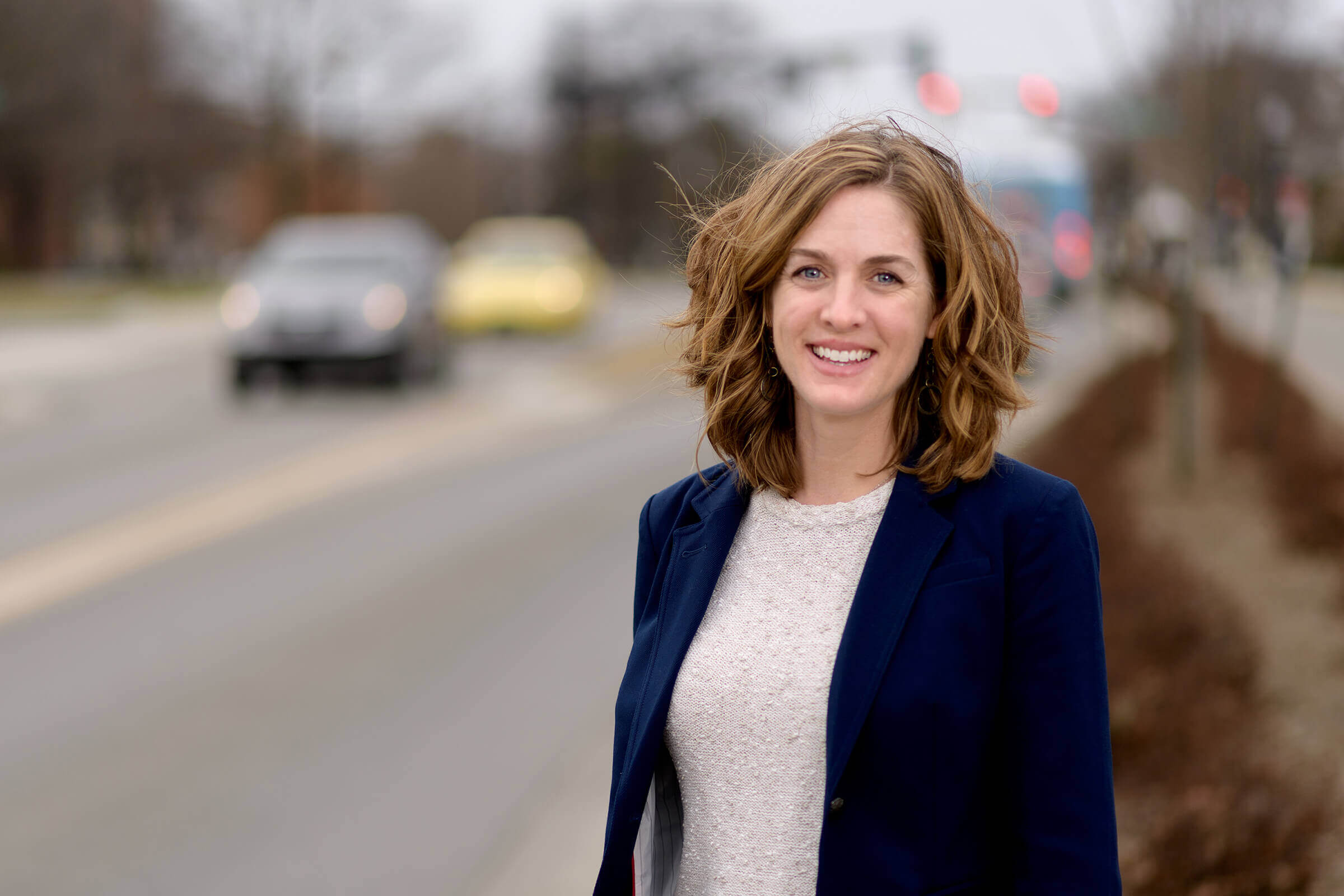
To better understand this unique profession, we spoke with Kristi, an experienced broadcast captioner who shared what it’s really like to work in this field.
What Is a Broadcast Captioner?
A broadcast captioner creates real-time captions for live television programs such as news broadcasts, sporting events, political coverage, award shows, and emergency announcements.
Unlike subtitles that are added after a program is recorded, live captions must appear almost immediately as people speak. This requires incredible speed, concentration, and accuracy.
Broadcast captioners typically use a specialized stenotype machine connected to captioning software. Instead of typing one letter at a time, they use shorthand keystrokes that allow them to write hundreds of words per minute.
Many professionals also specialize in realtime captioning, which is used for conferences, classrooms, and other live events beyond television.
The finished captions appear on television screens within seconds, helping viewers follow along as events unfold live.
Meet Kristi: A Career Built on Precision
Kristi didn’t always know she wanted to become a broadcast captioner. Like many professionals in the industry, she discovered the career after learning about court reporting and realtime transcription.
She was drawn to the challenge of working with language while helping make television more accessible.
Her career is one example of the many opportunities available in the broadcasting industry.
Today, her work includes captioning everything from local news broadcasts to national events where every second counts. Whether it’s a weather emergency, election coverage, or a live interview, Kristi’s job is to ensure viewers receive accurate captions as quickly as possible.
“It’s rewarding knowing that your work helps people stay informed,” she says.
What Does a Typical Day Look Like?
No two days are exactly the same.
A broadcast captioner may work on several different programs throughout the day, including:
- Morning news
- Afternoon talk shows
- Live sports
- Breaking news coverage
- Community events
- Government announcements
Before each broadcast, Kristi reviews names, locations, technical terms, and any expected topics. This preparation helps improve caption accuracy once the program begins.
During the broadcast, she listens carefully while operating her stenotype machine, making split-second decisions whenever speakers interrupt each other, change topics, or unexpected events occur.
Skills Every Broadcast Captioner Needs
Broadcast captioning is much more than typing quickly.
Successful professionals develop a wide range of skills, including:
Exceptional Listening Skills
Speakers often talk rapidly, interrupt one another, or have strong accents. Captioners must understand speech instantly.
Fast and Accurate Writing
Developing these abilities often begins with professional stenography training.
Realtime captioning depends on speed without sacrificing accuracy.
Strong Language Skills
Excellent grammar, punctuation, and vocabulary help produce readable captions.
Ability to Stay Calm Under Pressure
Live television doesn’t stop for mistakes. Captioners must remain focused even during fast-moving events.
Technical Knowledge
Modern captioners work with captioning software, dictionaries, audio systems, and broadcast equipment to ensure smooth delivery.
Broadcast Captioner vs. Court Reporter
People often confuse broadcast captioning with court reporting because both professions use stenotype machines.
However, their work environments are very different.
| Broadcast Captioner | Court Reporter |
|---|---|
| Works during live television broadcasts | Works inside courtrooms |
| Produces live captions | Creates official legal transcripts |
| Focuses on television accessibility | Focuses on legal documentation |
| Works with broadcasters and production teams | Works with judges and attorneys |
Many broadcast captioners begin their careers as court reporters before transitioning into television.
Why Broadcast Captioning Matters
Captions are far more than convenience.
They are an important part of improving digital accessibility for viewers around the world.
For millions of viewers, they provide equal access to information and entertainment.
Live captioning benefits:
- Deaf viewers
- Hard-of-hearing audiences
- People watching in noisy environments
- Viewers learning English
- Anyone who prefers reading along while watching television
Captions become especially important during severe weather, emergency alerts, and breaking news when timely information can make a real difference.
Challenges of the Job
Although rewarding, broadcast captioning comes with its own challenges.
Live broadcasts are unpredictable.
Speakers may:
- Talk over each other
- Use unfamiliar names
- Speak extremely quickly
- Change topics without warning
- Experience technical audio problems
Broadcast captioners must adapt instantly while maintaining high levels of accuracy.
It takes years of training and consistent practice to develop these skills.
How to Become a Broadcast Captioner
If you’re interested in this career, the typical path includes:
Learn Stenography
Most professionals attend a court reporting or stenography program to master the stenotype machine.
Build Realtime Skills
Realtime transcription requires much higher speeds than traditional typing.
Practice Captioning
Many students begin by learning the differences between closed captions and subtitles before advancing to live broadcasts.
Many students begin practicing with recorded news broadcasts before working on live television.
Gain Professional Experience
Some professionals work in court reporting, CART services, or transcription before moving into broadcast captioning.
Continue Learning
Language constantly evolves. Captioners regularly update dictionaries with new terminology, company names, athletes, celebrities, and current events.
Is Broadcast Captioning a Good Career?
For people who enjoy language, technology, and fast-paced work, broadcast captioning can be an incredibly fulfilling profession.
The career offers opportunities to:
- Improve television accessibility
- Work remotely for many employers
- Continue learning every day
- Cover exciting live events
- Make a meaningful impact on viewers’ lives
If you’re researching similar professions, explore our complete guide to media careers.
While the work requires dedication and precision, many professionals find it deeply rewarding.
Final Thoughts
Most viewers never think about the person creating captions behind the scenes, yet broadcast captioners make television more accessible every single day.
Kristi’s experience highlights the dedication, preparation, and expertise required to succeed in this profession. From breaking news to championship games, broadcast captioners help ensure everyone has access to important information as it happens.
If you’re considering a career in accessibility or broadcasting, you may also enjoy reading our guide to work-from-home careers and other communication-focused professions.
Frequently Asked Questions
What does a broadcast captioner do?
A broadcast captioner creates real-time captions for live television programs, including news broadcasts, sports events, and special broadcasts. Using a stenotype machine and specialized software, they convert spoken words into captions that appear on viewers’ screens almost instantly.
How do you become a broadcast captioner?
Most broadcast captioners complete training in court reporting or stenography. They learn to use a stenotype machine, develop realtime transcription skills, and gain experience before working on live television broadcasts.
Is broadcast captioning a good career?
Yes. Broadcast captioning can be a rewarding career for people who enjoy language, technology, and fast-paced work. It offers the opportunity to improve media accessibility while working on live events that reach large audiences.
What’s the difference between a broadcast captioner and a court reporter?
Both professions use stenotype machines, but their work is different. Court reporters create official legal transcripts in courtrooms, while broadcast captioners produce live captions for television programs and other live events.
What skills are required to become a broadcast captioner?
Successful broadcast captioners need excellent listening skills, fast and accurate stenography, strong grammar and language abilities, attention to detail, and the ability to remain calm under pressure during live broadcasts.
Do broadcast captioners work remotely?
Many broadcast captioners work remotely using secure internet connections and professional captioning software. Depending on the employer, some positions may also require work from a broadcast studio or office.
Why are live captions important?
Live captions make television accessible to people who are deaf or hard of hearing. They also help viewers in noisy environments, language learners, and anyone who prefers reading along while watching live broadcasts.
Is broadcast captioning the same as closed captioning?
Broadcast captioning is a form of closed captioning used for live television. Unlike captions added after a program is recorded, live broadcast captions are created in real time as people speak.