
Introduction
Fine art photography is more than just taking beautiful pictures. It is a form of artistic expression where the photographer uses the camera as a creative tool rather than just a recording device.
Instead of focusing on documenting reality, fine art photography focuses on ideas, emotions, and personal vision.
To better understand where it fits in the broader field, it helps to first explore the different categories of photography, including both artistic and practical styles.
👉 Learn more about this in our guide on types of photography.
Fine Art Photography Meaning
Fine art photography refers to images created primarily for artistic purposes. The goal is not commercial use or documentation, but self-expression.
Each photograph is usually planned or carefully composed to communicate a message or feeling.
Many photographers develop this skill alongside strong visual fundamentals like composition and framing. If you want to improve that side of your work, check our guide on photography composition tips.
How Fine Art Photography Is Different
Understanding fine art photography becomes easier when you compare it with other styles.
Commercial Photography
Focused on selling products or services, often guided by client needs and marketing goals.
Documentary Photography
Focused on capturing real-life events and telling factual stories without altering reality.
Fine Art Photography
Focused on creativity, emotion, and interpretation rather than factual accuracy or sales.
If you’re interested in portrait work, you might also like our breakdown of portrait photography techniques, which often overlaps with fine art styles.
Key Elements of Fine Art Photography
Strong Concept
Every image starts with an idea, not just a scene.
Emotional Depth
The photo often reflects feelings like mystery, solitude, joy, or imagination.
Artistic Composition
Lighting, framing, and color are intentionally designed to support the message.
Editing as a Creative Tool
Post-processing is used to enhance or transform the artistic vision.
Editing plays a major role in modern workflows—especially in advanced work like this. You can explore this further in our guide on how to edit photos professionally.
Fine Art Photography Examples
Fine art photography can take many forms, including:
- Conceptual portraits
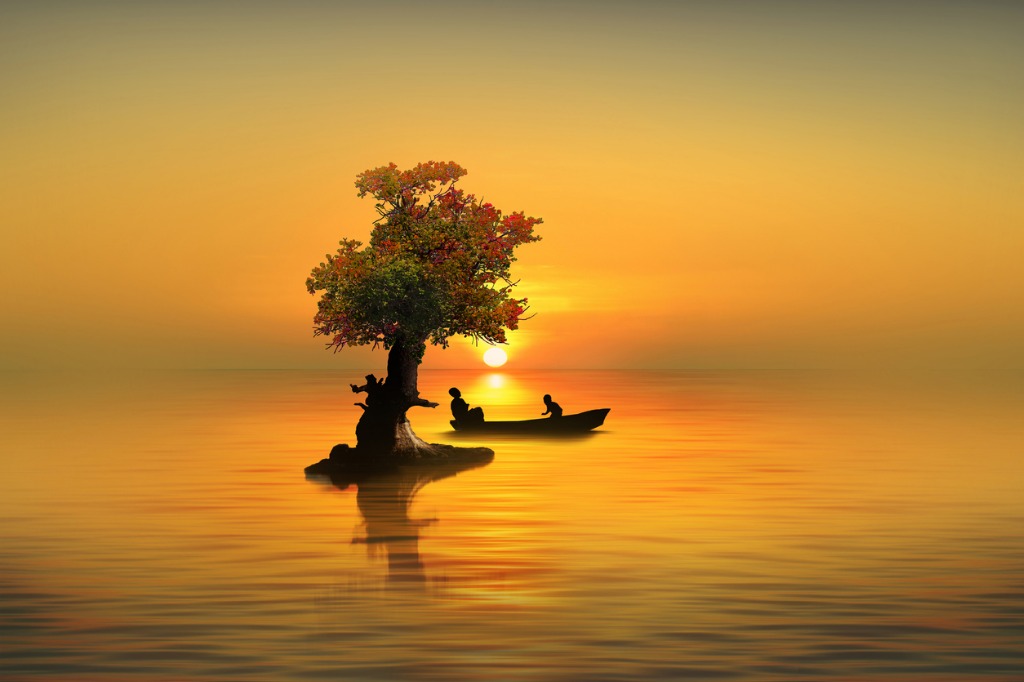
- Surreal digital compositions
- Minimalist landscapes
- Emotion-driven storytelling images
Many of these styles rely heavily on strong framing and visual balance, which ties back to photography composition techniques.
Why Fine Art Photography Matters
Fine art photography gives artists freedom to express thoughts and emotions without restrictions. It also allows viewers to interpret meaning in their own way.
It sits at the creative end of photography, alongside other artistic disciplines. If you’re exploring this path, understanding the types of photography can help you position your style more clearly.
Conclusion
Fine art photography is defined by intention, not equipment or rules. It transforms photography into a medium of personal expression and storytelling.
Frequently Asked Questions (FAQs)
What is fine art photography?
Fine art photography is a type of photography created to express the artist’s personal vision, emotion, or idea. It is not focused on commercial use or documentation but on creative expression.
How is fine art photography different from regular photography?
Regular photography often aims to document real events or serve a practical purpose, such as commercial or editorial work. Fine art photography, on the other hand, is created as an artistic expression and focuses more on mood, concept, and storytelling.
What makes a photo fine art photography?
A photo is considered fine art when it reflects a strong creative vision. Key elements include:
- A clear artistic concept
- Emotional or symbolic meaning
- Intentional composition
- Creative use of lighting and editing
Do you need expensive equipment for fine art photography?
No. Fine art photography is not about the camera—it’s about the idea and execution. Even smartphone cameras can be used if the concept and composition are strong enough.
Can fine art photography be edited?
Yes. Editing is often an important part of the process. Many fine art photographers use post-processing to enhance mood, adjust colors, or transform the image into their artistic vision.
Is fine art photography the same as digital art?
Not exactly. Fine art photography starts with a photograph, while digital art may be fully created or heavily manipulated using software. However, some fine art photography does blend both techniques.
Why is fine art photography important?
It allows photographers to express emotions, ideas, and creativity freely. It also gives viewers a deeper, more interpretive visual experience rather than just factual documentation.